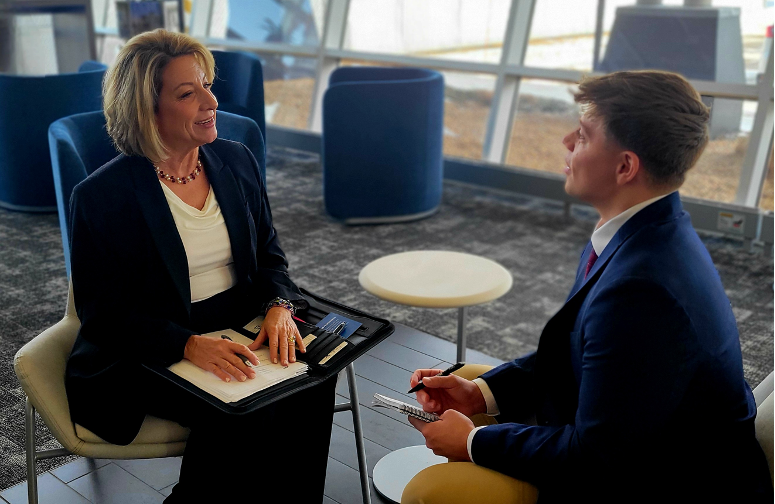
Have you ever left an interview thinking, “That went great,” to never hear back? As an aviation recruiter, I see it often.
The difference between a “yes” and a “maybe later” usually isn’t about qualifications—it’s about trust.
My role is to evaluate skills, of course, but also to understand the whole person well enough to recommend them with confidence. That trust grows from small, consistent interactions, not just résumés.
Every email, phone call and meeting either builds or erodes that trust.
Whether I’m connecting with a new Registered Professional or interviewing a candidate for an active search, my role sits between advisor and advocate—supporting candidates while making careful recommendations to API’s clients.
The following takeaways are for those who want to stand out throughout the recruiting process and make it easier for aviation recruiters to say “YES!”
Professionalism and Respect Show Up Early
Professionalism is not about perfection—it’s about awareness. Candidates who approach every interaction with care stand out and make it easier for me to move them forward with confidence. Returning messages promptly and following through on agreed timelines both signal reliability. These habits usually reflect how a person performs on the job.
As a recruiter, I notice the small things. How candidates communicate, whether they follow simple instructions and how quickly they respond. I also pay close attention to how they treat everyone in the process—including schedulers, assistants and HR contacts, not just hiring leaders.
Thoughtful, measured communication builds clarity. With that clarity, I can confidently represent a candidate’s strengths and advocate for them with API’s project managers and our clients.
Simple gestures matter, too. Candidates who stand out are polished and interview-ready from our phone or video conversation. On camera, are you unkept, wearing a hoodie, or calling in from a bedroom? These early impressions offer insight into how someone is likely to show up in a formal interview with a hiring manager.
Preparation Signals Commitment, Not Just Interest
When we’re discussing a specific job opportunity, I appreciate candidates who research the operation, the role and the environment. Focused questions that reflect curiosity and understanding signal intentional preparation.
When preparation shows up consistently, it gives me confidence and shows pride in, and respect for, the process. I also notice candidates who invest in professional development. Those who join safety initiatives, committees or continuous improvement programs signal a long-term mindset and a desire to contribute beyond immediate duties.
Preparation is about more than being interested in a role. It reflects how someone approaches their work overall. In business aviation, where dependability matters every day, those small behaviors aren’t small at all.
Judgment and Professional Presence Matter
When résumés, profiles and interview stories align, it demonstrates honesty and attention to detail. It also saves me time. When information doesn’t line up, hesitation creeps in—and in aviation, clarity matters.
Presence is not only about how someone looks. It is about demeanor, awareness and the ability to read a room. Small talk can build a connection, but it also requires tact. Early conversations are where that awareness matters most. If the discussion drifts into politics, religion or personal preferences, it is usually not the right time or place. Good judgment often shows up in those casual moments.
Additionally, how a jobseeker speaks about former employers and difficult topics says a great deal about their professionalism and attitude. Tone and word choice reveal maturity, respect and sound judgment. As a recruiter, those qualities reassure me. Because how someone speaks about the past is often a preview of how they’ll represent an organization in the future.
Practical Guidance Candidates Can Use
Do:
- Be responsive, courteous and engaged throughout the process.
- Communicate clearly and follow through on commitments.
- Treat early conversations as seriously as formal interviews.
- Ask clarifying questions when needed.
- Show up on a Zoom interview as you would in an in–person interview.
Don’t:
- Assume early screening calls are casual.
- Overshare confidential operational details.
- Speak negatively about past teams or employers.
- Over-communicate to the point of distraction.
Many of these habits mirror simple interview behaviors that influence hiring outcomes more than candidates often realize.
Are You Making It Easy to Say “Yes”?
Being an “easy yes” isn’t about saying the perfect thing. It’s about helping a recruiter feel confident, supported and ready to recommend you wholeheartedly.
That confidence grows from consistent professionalism, clear communication and respect for the process. Small moments—often outside the formal interview—shape big decisions.
Ready to Take the Next Step?
If you’re ready to take your aviation career further, consider becoming an API Registered Professional™.
As a Registered Professional, you’ll partner directly with experienced aviation recruiters who represent leading corporate flight departments. Registration helps us understand your background and goals so we can advocate for you when the right opportunity arises.